
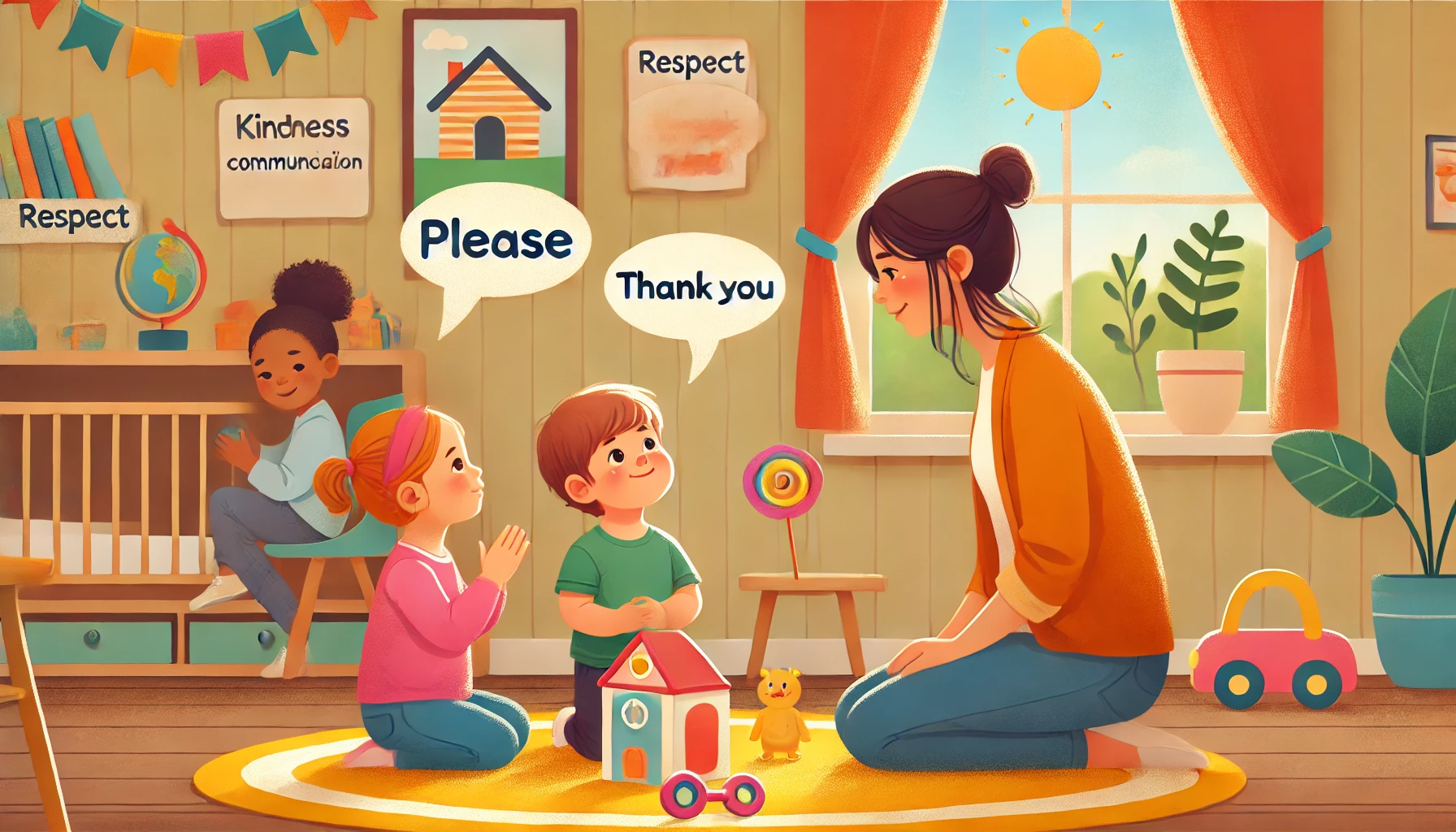
How to Teach Young Children About Being Respectful to Others
Teaching young children about respect helps them develop positive relationships, strong communication skills, and empathy for others. When kids learn to listen, use kind words, and appreciate differences, they grow into considerate and socially aware individuals. Parents can encourage respectful behavior through role-modeling, discussions, and daily interactions. In this article, we’ll explore practical ways to help children understand and practice respect.
Why Teaching Respect is Important
- Encourages kindness and empathy – Helps children understand and care for others’ feelings.
- Builds strong social skills – Teaches kids how to communicate politely and resolve conflicts peacefully.
- Creates a positive home and school environment – Reduces arguments and promotes cooperation.
- Teaches appreciation for diversity – Helps kids respect people from different backgrounds.
- Prepares for future success – Encourages good manners, listening skills, and teamwork.
1. Model Respectful Behavior
Children learn respect by observing how adults treat others.
Activity Idea:
- Say “please” and “thank you” regularly.
- Show kindness in conversations: “I appreciate your help.”
- Avoid interrupting and listen attentively when others speak.
What Kids Learn:
- That respect is shown through actions and words
- How to communicate politely and listen carefully
- The importance of treating others with kindness
2. Teach Kids to Use Polite Words and Manners
Using respectful language helps children build positive interactions.
Activity Idea:
- Practice saying “excuse me,” “thank you,” and “please” in daily conversations.
- Role-play different situations: “How would you ask for something politely?”
- Read books about manners, like Do Unto Otters by Laurie Keller.
What Kids Learn:
- That words have the power to make people feel respected
- How politeness makes interactions more pleasant
- The habit of using kind and respectful language
3. Encourage Active Listening
Listening carefully to others shows respect and strengthens relationships.
Activity Idea:
- Play a listening game, where kids must repeat what someone said before responding.
- Use eye contact and body language to show good listening skills.
- Praise active listening: “I love how you listened carefully before answering!”
What Kids Learn:
- That listening is a key part of respect
- How to wait their turn before speaking
- The importance of paying attention in conversations
4. Teach Kids to Respect Differences
Helping children appreciate diversity encourages inclusivity and kindness.
Activity Idea:
- Explore different cultures through food, music, and traditions.
- Discuss how everyone is unique and special in their own way.
- Encourage asking questions respectfully: “It’s okay to be curious, but always be kind.”
What Kids Learn:
- That differences make the world more interesting
- How to appreciate and respect other perspectives
- The importance of treating everyone with fairness and kindness
5. Set Clear Boundaries About Respectful Behavior
Helping kids understand what respectful behavior looks like sets clear expectations.
Activity Idea:
- Create a “Respect Rules” chart, like “We use kind words” and “We listen when someone speaks.”
- Discuss consequences of disrespect, such as how unkind words hurt feelings.
- Use positive reinforcement when kids follow respect rules.
What Kids Learn:
- That respect means treating others the way they want to be treated
- How to recognize disrespectful behavior and correct it
- The importance of being responsible for their actions
6. Encourage Sharing and Taking Turns
Practicing fairness and patience builds respect in social situations.
Activity Idea:
- Play games that require turn-taking, like board games or group activities.
- Praise children when they share their toys or let someone else go first.
- Read books about sharing, like Llama Llama Time to Share by Anna Dewdney.
What Kids Learn:
- That fairness and respect go hand in hand
- How to be patient and considerate of others
- The importance of making sure everyone gets a chance
7. Teach Kids to Apologize Sincerely
Saying “I’m sorry” and making amends is a key part of respect.
Activity Idea:
- Role-play apology scenarios: “What could you say if you accidentally hurt a friend’s feelings?”
- Explain that a real apology includes acknowledging the mistake and making things better.
- Praise genuine apologies: “I’m proud of you for saying sorry and fixing the mistake.”
What Kids Learn:
- That taking responsibility is part of respect
- How to make amends and restore trust
- The value of sincere and meaningful apologies
8. Praise and Reinforce Respectful Behavior
Encouragement helps children continue practicing respect in their daily lives.
Activity Idea:
- Say, “I love how you waited patiently while I was talking!”
- Use a Respect Chart, where kids earn stars for showing kindness and good manners.
- Ask, “How do you feel when someone treats you with respect?” to reinforce self-awareness.
What Kids Learn:
- That respect is appreciated and valued
- How their actions affect others positively
- The motivation to keep practicing respectful behavior
Final Thoughts
Teaching young children about being respectful to others helps them develop empathy, kindness, and strong communication skills. By modeling respect, encouraging polite behavior, and reinforcing good habits, parents can guide children toward building meaningful and respectful relationships throughout their lives.