
How to Teach Responsibility to Young Children at Home
Teaching responsibility to young children helps them develop independence, accountability, and life skills. By giving children age-appropriate tasks and encouraging
Read More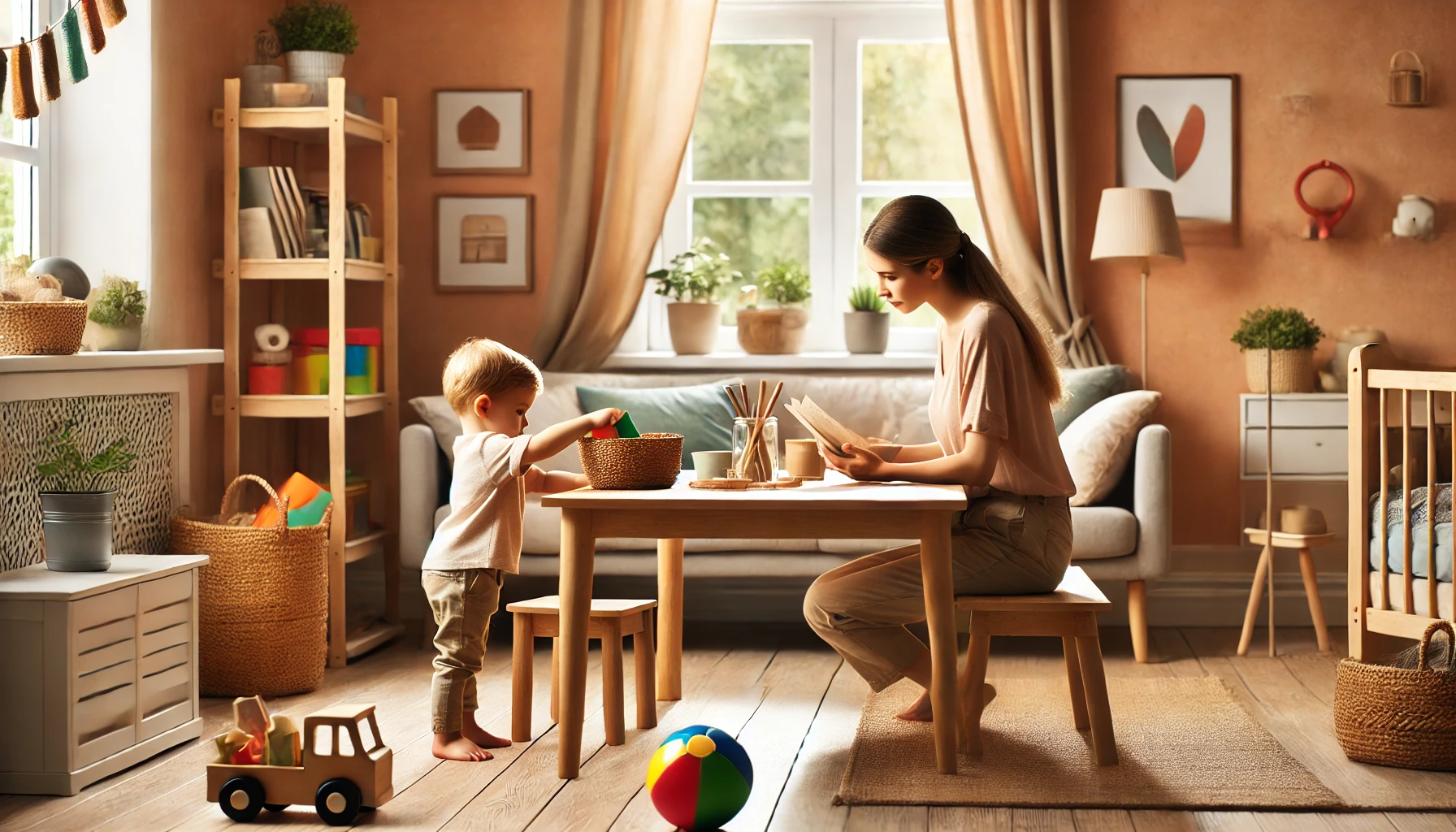
Teaching responsibility to young children helps them develop independence, accountability, and life skills. By giving children age-appropriate tasks and encouraging
Read More
Healthy eating is essential for a child’s growth, brain development, and overall well-being. Teaching children to enjoy nutritious foods at
Read More
Science is all about curiosity and discovery, making it an exciting subject for young children. Teaching science at home doesn’t
Read More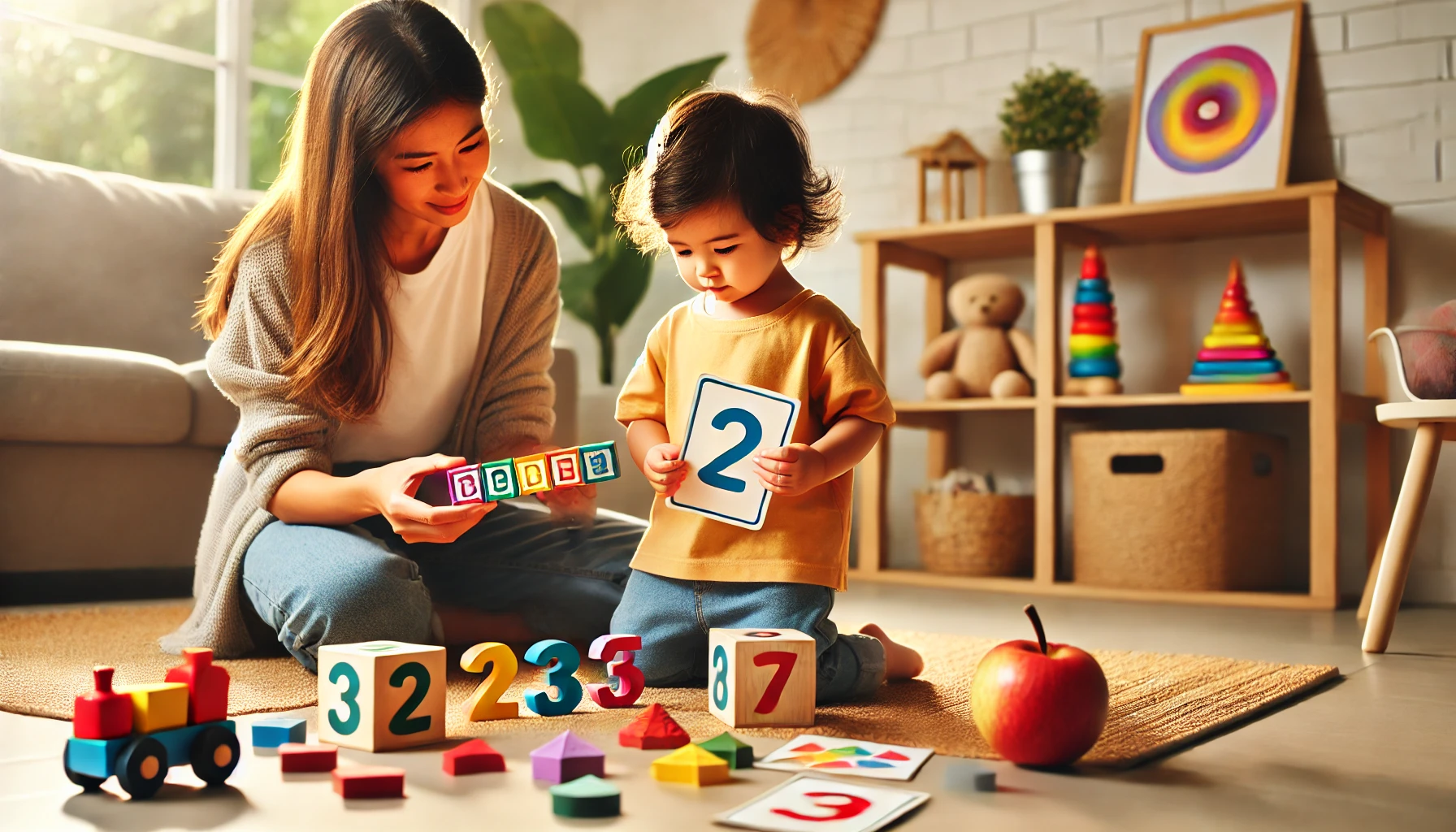
Mathematics is a fundamental skill that supports problem-solving, logical thinking, and everyday life skills. Introducing basic math concepts at home
Read More
Gross motor skills involve the use of large muscle groups to perform activities like running, jumping, and climbing. These skills
Read More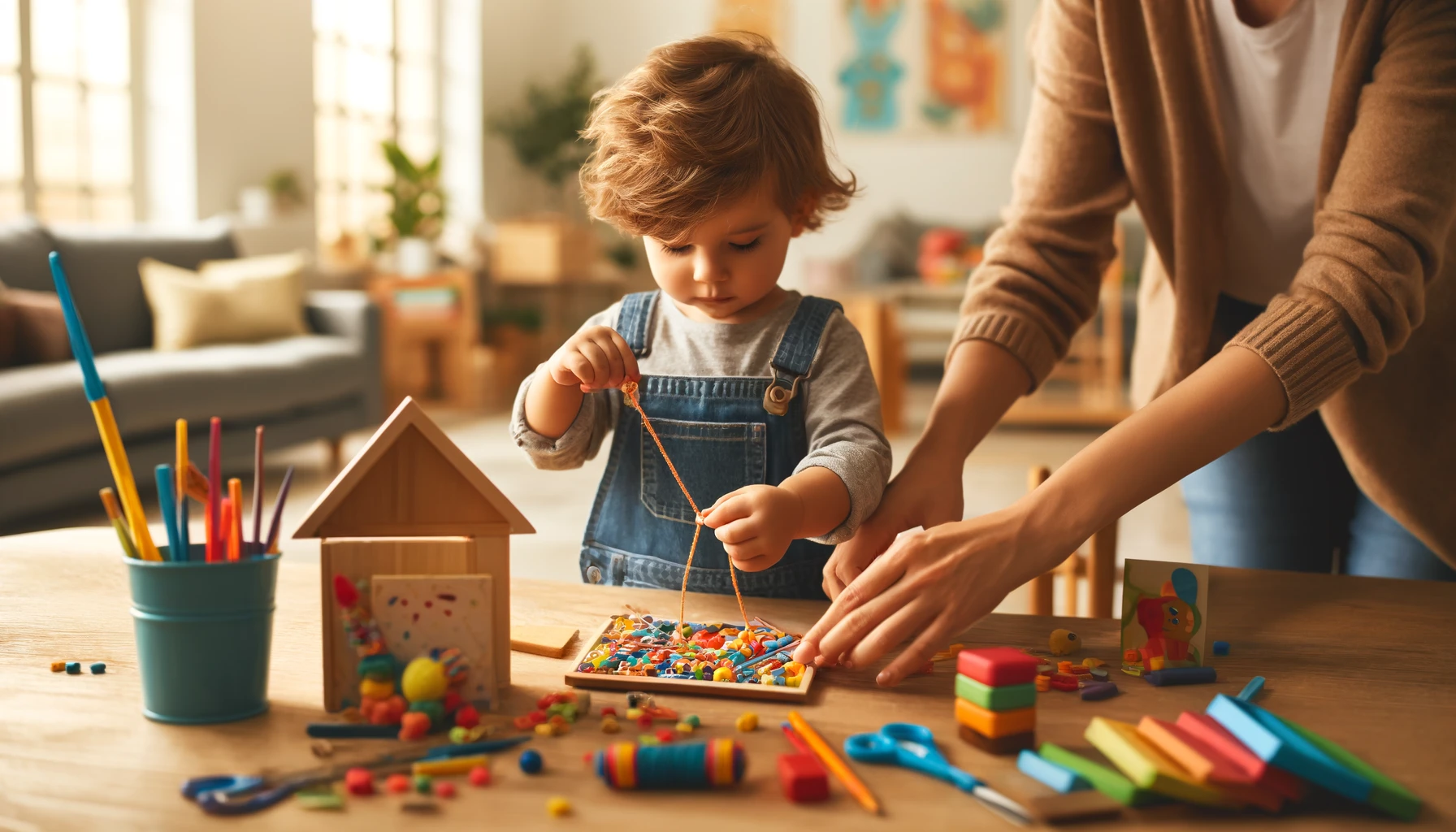
Fine motor skills involve the coordination of small muscles in the hands and fingers, enabling children to perform essential tasks
Read More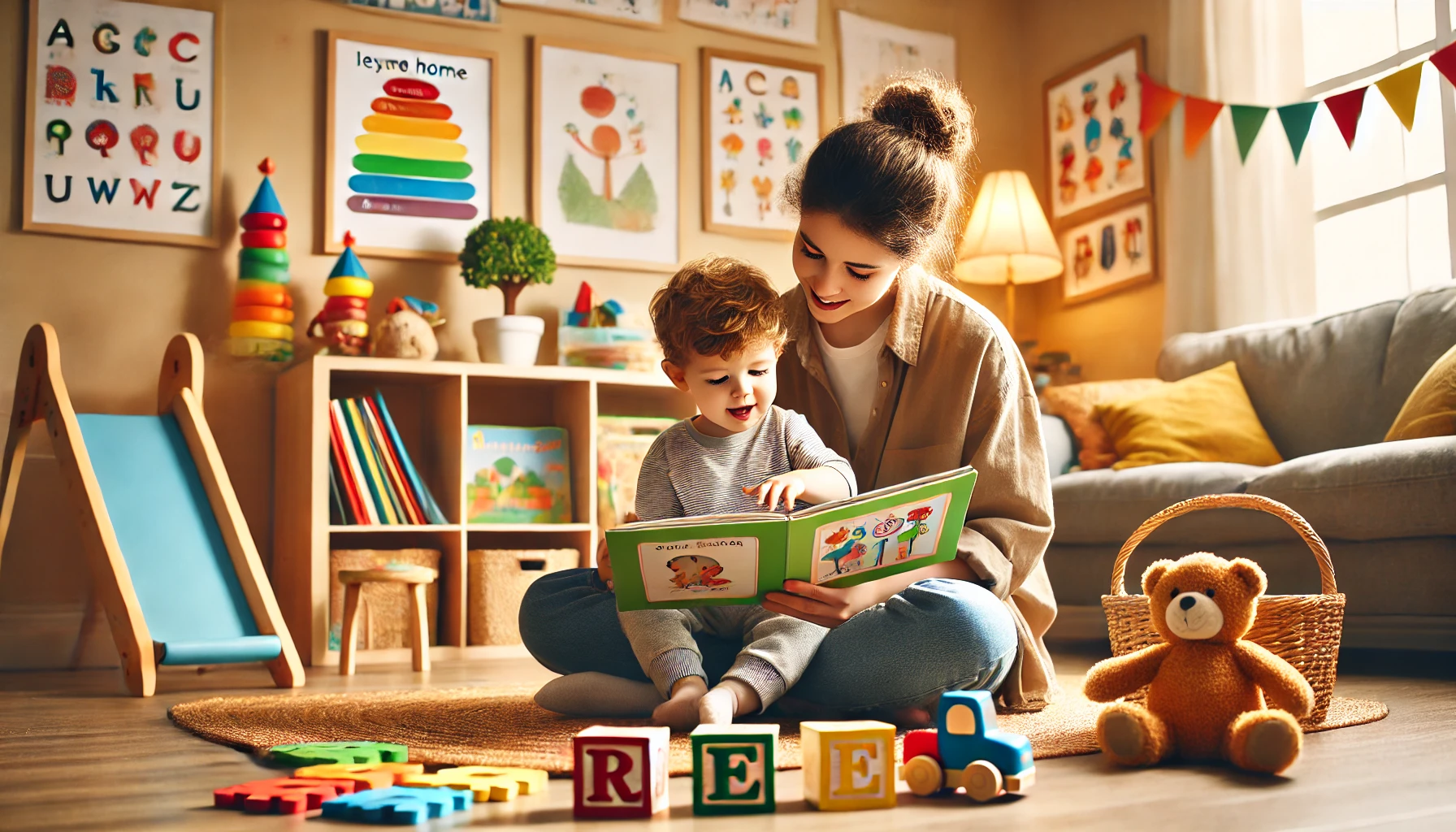
Language development is a crucial part of a child’s early learning. Strong language skills help children express their thoughts, build
Read More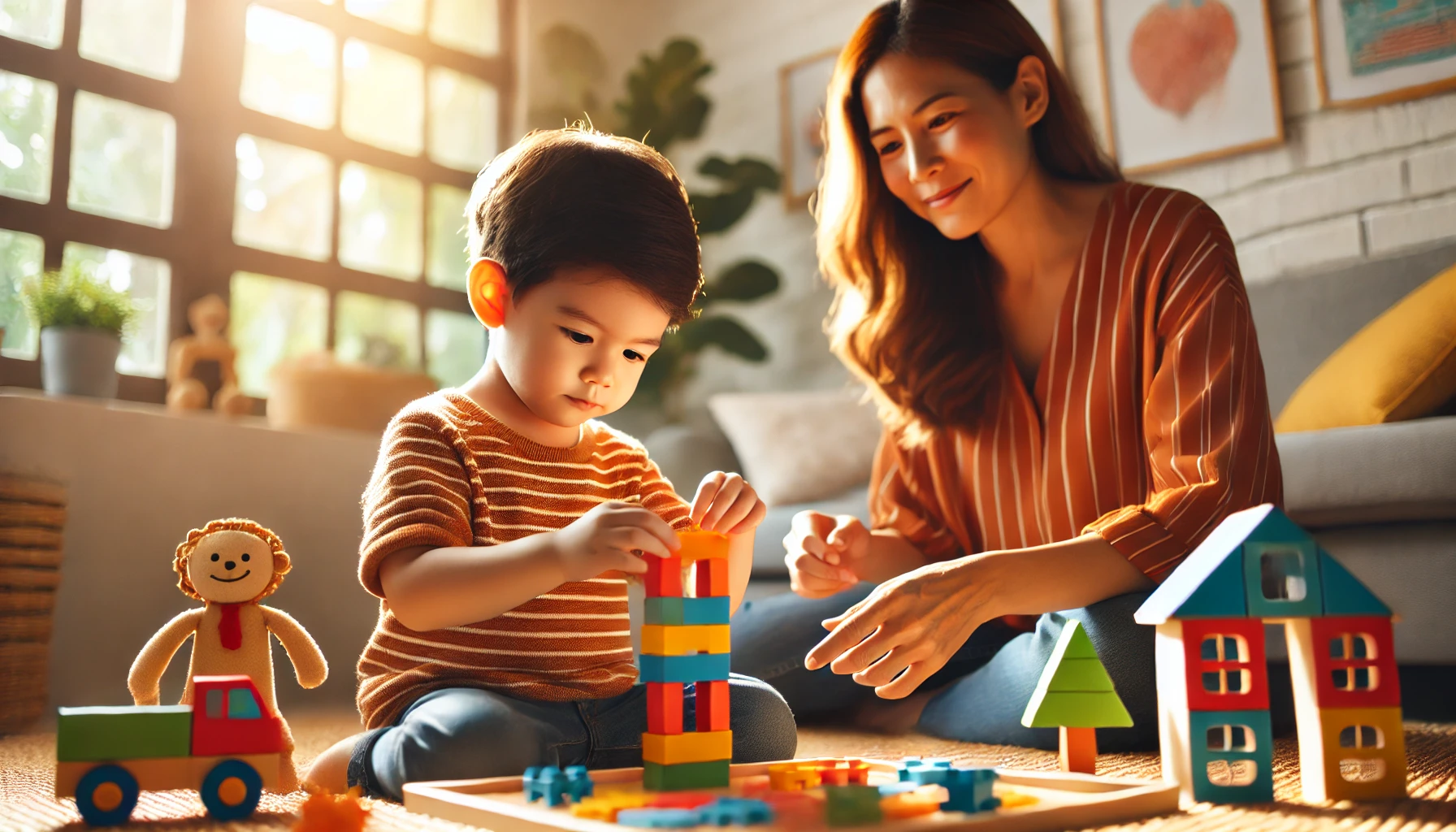
Problem-solving is a fundamental skill that helps children navigate challenges, think critically, and develop independence. Teaching problem-solving at home encourages
Read More
Creativity is an essential skill that helps children express themselves, solve problems, and develop critical thinking abilities. Encouraging creativity at
Read More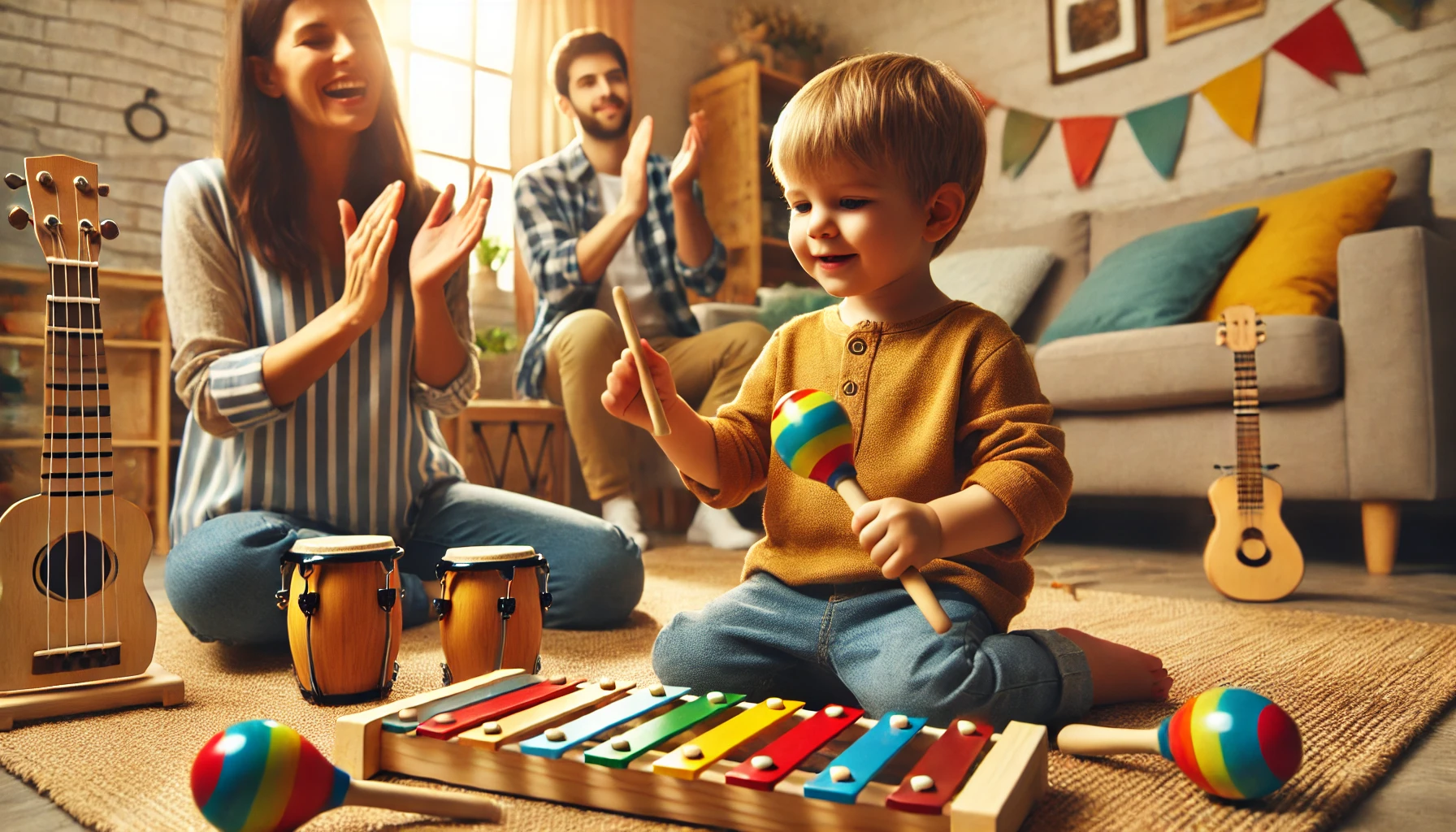
Music plays a vital role in early childhood development. It helps improve language skills, enhances memory, boosts creativity, and provides
Read More