
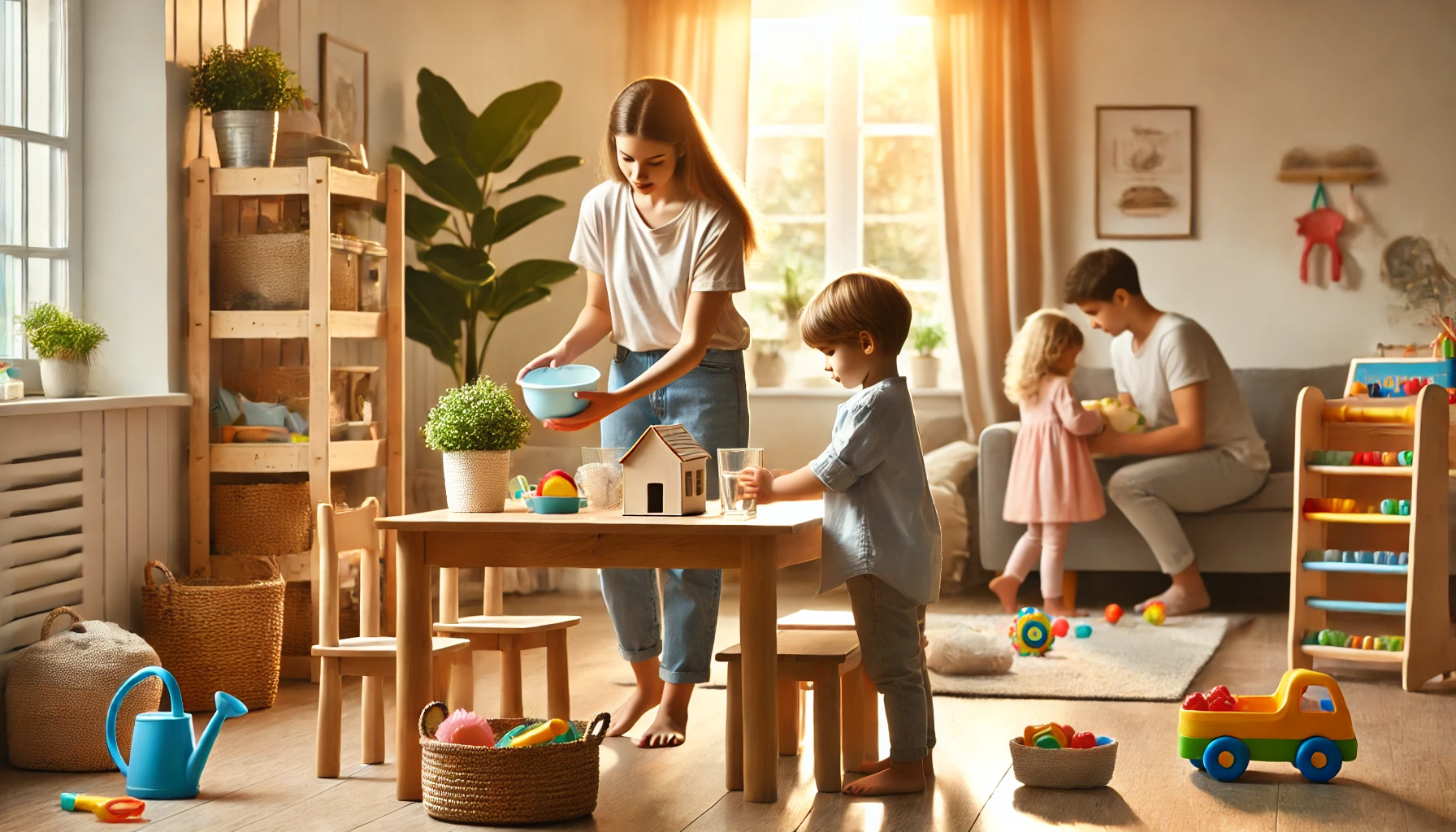
How to Teach Young Children About Household Responsibilities
Teaching children about household responsibilities helps them develop independence, teamwork, and a sense of contribution to the family. When kids learn to complete simple tasks, they build confidence, discipline, and an understanding of shared responsibilities. Parents can introduce household chores in fun and engaging ways to make learning enjoyable. In this article, we’ll explore practical ways to help young children take part in household responsibilities.
Why Teaching Household Responsibilities is Important
- Encourages independence – Helps children take ownership of daily tasks.
- Builds teamwork skills – Teaches kids that family members work together.
- Develops discipline and organization – Creates habits of consistency and effort.
- Boosts confidence and self-esteem – Gives kids a sense of accomplishment.
- Prepares for future life skills – Builds a foundation for managing personal responsibilities.
1. Assign Age-Appropriate Chores
Giving children tasks suited to their abilities helps them succeed.
Activity Idea:
- Toddlers (2-3 years old): Put toys in a basket, wipe tables with a damp cloth.
- Preschoolers (4-5 years old): Help set the table, sort laundry by color, water plants.
- Older kids (6+ years old): Make their bed, feed pets, help put away groceries.
What Kids Learn:
- That helping around the house is part of family life
- How to complete tasks suited to their age
- A sense of accomplishment from finishing small chores
2. Create a Chore Chart or Responsibility Board
Visual reminders help children understand and track their tasks.
Activity Idea:
- Use a chore chart with stickers for completed tasks.
- Make a picture-based task list for younger kids.
- Celebrate accomplishments with small rewards like extra storytime.
What Kids Learn:
- How to stay organized with daily tasks
- That consistency is key to responsibility
- The reward of completing tasks on their own
3. Turn Chores into Fun Activities
Making household tasks enjoyable encourages participation.
Activity Idea:
- Play “beat the clock”, challenging kids to finish a chore before a timer runs out.
- Turn cleaning into a dance party with music.
- Use storytelling: “Let’s pretend we’re superheroes saving the house from dust!”
What Kids Learn:
- That chores can be fun and rewarding
- How to complete tasks with a positive attitude
- That teamwork makes work easier
4. Teach Responsibility Through Everyday Routines
Daily habits build consistency and responsibility over time.
Activity Idea:
- Let kids be responsible for packing their school bag or choosing their clothes.
- Encourage them to put away their shoes and coats when coming home.
- Make tidying up before bedtime a daily routine.
What Kids Learn:
- That small responsibilities matter
- How to stay organized in daily life
- That consistency builds good habits
5. Explain How Chores Help the Whole Family
Helping kids understand why chores matter increases motivation.
Activity Idea:
- Say, “When you help set the table, it makes dinner time easier for everyone.”
- Show how each family member has tasks to complete.
- Use phrases like “We are a team, and we help each other.”
What Kids Learn:
- That responsibilities are shared in a family
- How their contributions make a difference
- The importance of teamwork and cooperation
6. Encourage Problem-Solving and Initiative
Allowing children to think for themselves builds independence.
Activity Idea:
- Ask, “What do you think we need to do before guests arrive?”
- Encourage “Can you figure out how to fix this?” when a small mess happens.
- Praise initiative: “You put your toys away without being asked—great job!”
What Kids Learn:
- How to take responsibility without being reminded
- Problem-solving skills in daily life
- That initiative and effort are appreciated
7. Set a Positive Example
Children learn responsibility by watching adults fulfill their own tasks.
Activity Idea:
- Say, “I’m folding laundry now—do you want to help?”
- Show enthusiasm for cleaning and organizing.
- Let kids see you taking care of household duties without complaining.
What Kids Learn:
- That responsibilities are a normal part of life
- How to complete tasks with a positive mindset
- The value of contributing to a shared space
8. Praise Effort and Progress, Not Just Perfection
Encouragement helps children stay motivated to take responsibility.
Activity Idea:
- Say, “I love how hard you worked on making your bed!”
- Avoid redoing their tasks—imperfect effort is still valuable.
- Ask, “How did it feel to finish that job all by yourself?”
What Kids Learn:
- That effort matters more than perfection
- How to feel proud of their accomplishments
- The motivation to keep practicing responsibility
Final Thoughts
Teaching young children about household responsibilities helps them develop independence, teamwork, and a strong work ethic. By assigning age-appropriate tasks, making chores fun, and reinforcing good habits, parents can guide children in learning the importance of contributing to family life.