
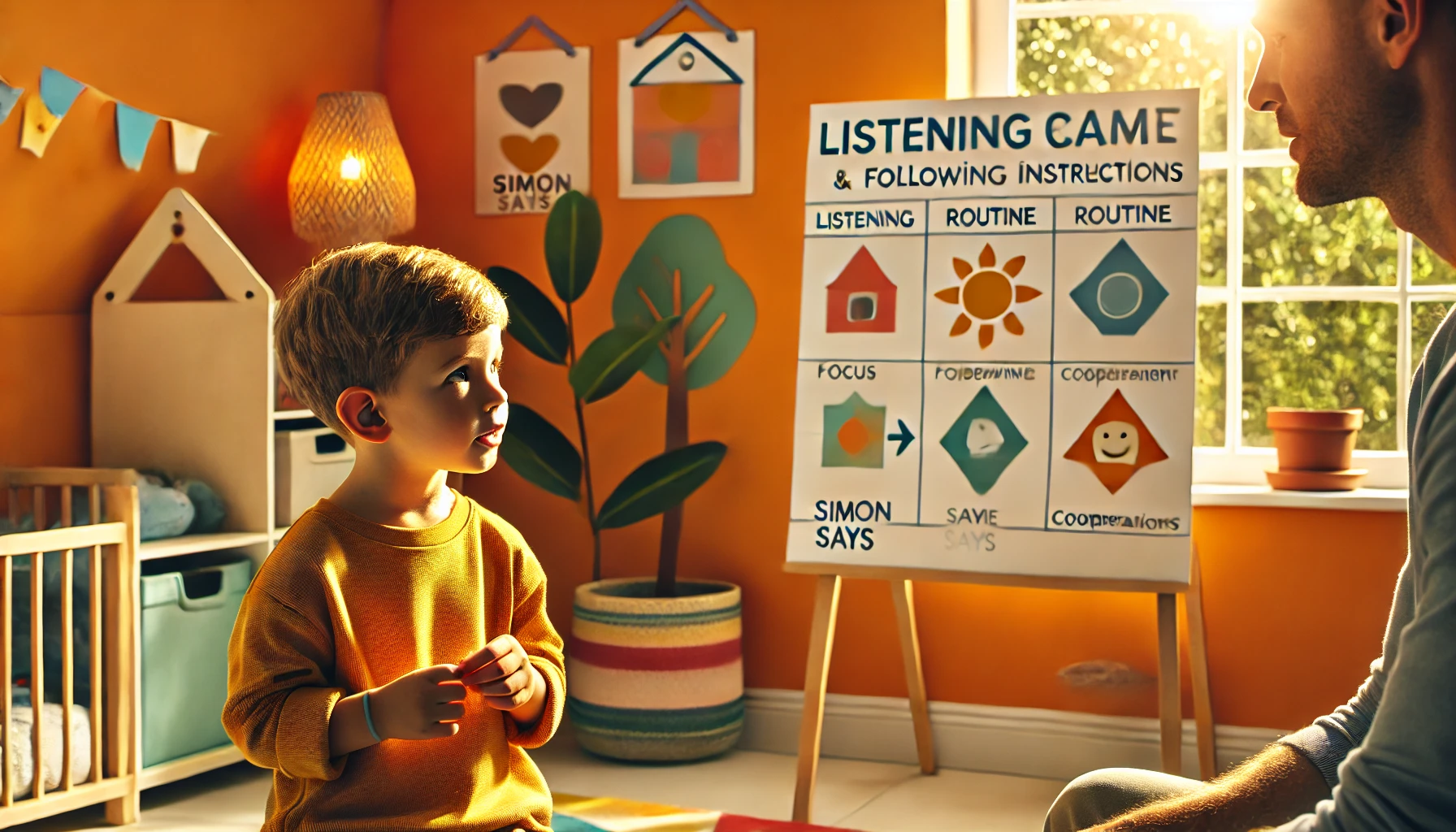
How to Teach Young Children About Following Instructions and Listening Skills
Following instructions and listening attentively are essential skills that help young children succeed in school, build strong relationships, and navigate everyday situations. Teaching children to listen and follow directions improves their ability to focus, cooperate, and respond appropriately to guidance. Parents can encourage these skills through fun activities, clear communication, and positive reinforcement. In this article, we’ll explore practical ways to help young children develop strong listening and instruction-following habits.
Why Teaching Listening and Following Instructions is Important
- Improves focus and attention – Helps children stay engaged in learning and conversations.
- Encourages cooperation – Teaches kids how to follow rules and complete tasks.
- Strengthens communication skills – Helps children process and respond to information effectively.
- Reduces frustration and misunderstandings – Prevents conflicts caused by missed instructions.
- Prepares for school and teamwork – Teaches children how to listen to teachers and peers.
1. Model Good Listening and Instruction-Following
Children learn by observing how adults listen and respond to others.
Activity Idea:
- Show active listening by making eye contact, nodding, and responding when your child speaks.
- Say, “I’m listening carefully to you because what you say is important.”
- Demonstrate following instructions in daily tasks: “I’m reading the recipe carefully so I can make this meal correctly.”
What Kids Learn:
- That listening is an important skill
- How to focus when someone is speaking
- That following instructions leads to success
2. Use Simple, Clear, and Age-Appropriate Instructions
Giving short and clear directions helps children understand and follow through.
Activity Idea:
- Use one-step instructions for younger children: “Please put your shoes by the door.”
- Gradually introduce two-step and three-step instructions: “Pick up your toy and put it in the basket.”
- Avoid complicated instructions; keep them clear and direct.
What Kids Learn:
- How to process and complete tasks step by step
- That listening carefully makes following directions easier
- The importance of focusing on details
3. Play Listening Games to Make Learning Fun
Interactive games help children practice listening and following directions in an enjoyable way.
Activity Idea:
- Simon Says – Encourages careful listening before acting.
- Red Light, Green Light – Teaches children to listen for cues before moving.
- Follow the Leader – Helps children practice imitating actions based on instructions.
What Kids Learn:
- The importance of waiting and listening before acting
- How to follow instructions accurately
- The fun side of practicing listening skills
4. Encourage Eye Contact and Active Listening
Helping children develop good listening habits improves their ability to focus on conversations.
Activity Idea:
- Remind children to look at the speaker’s face when listening.
- Use a listening buddy (a stuffed animal) to practice making eye contact.
- Teach them to repeat instructions back to ensure understanding: “What did I just ask you to do?”
What Kids Learn:
- How to stay engaged in conversations
- That eye contact improves communication
- The importance of confirming instructions
5. Use Visual Aids to Support Instructions
Some children learn better with pictures or demonstrations.
Activity Idea:
- Create a visual chore chart with images showing daily tasks.
- Use hand gestures or demonstrate instructions physically.
- Show a short video of someone following the same instructions.
What Kids Learn:
- That instructions can be communicated in different ways
- How visual cues help with understanding
- The importance of paying attention to details
6. Teach the “Listen, Think, Then Act” Strategy
Encouraging children to pause and think before responding prevents rushed actions.
Activity Idea:
- Teach them to follow these steps:
- Listen carefully to the instruction.
- Think about what needs to be done.
- Act only after understanding.
- Ask, “What do you need to do first?” before they act on instructions.
What Kids Learn:
- That thinking before acting leads to better results
- How to slow down and focus on directions
- The importance of processing information before responding
7. Praise and Reinforce Good Listening Habits
Positive reinforcement encourages children to continue practicing good listening skills.
Activity Idea:
- Say, “I love how you listened so carefully and followed all the steps!”
- Use a listening star chart where kids earn a star for following instructions.
- Celebrate listening success by giving a small reward like choosing the next bedtime story.
What Kids Learn:
- That good listening is recognized and valued
- How effort in listening leads to positive outcomes
- The motivation to continue improving listening skills
8. Be Patient and Give Gentle Reminders
Developing listening and instruction-following skills takes time and practice.
Activity Idea:
- If a child forgets to follow instructions, gently remind them: “Let’s try listening again.”
- If they struggle, break the instruction into smaller steps.
- Keep a calm and positive attitude while reinforcing the habit.
What Kids Learn:
- That listening is a skill that improves over time
- The importance of patience in learning
- How to try again and improve with practice
Final Thoughts
Teaching young children about listening and following instructions helps them develop focus, cooperation, and strong communication skills. By modeling good listening habits, using fun activities, and reinforcing positive behaviors, parents can help children build a strong foundation for success in school and social interactions.