
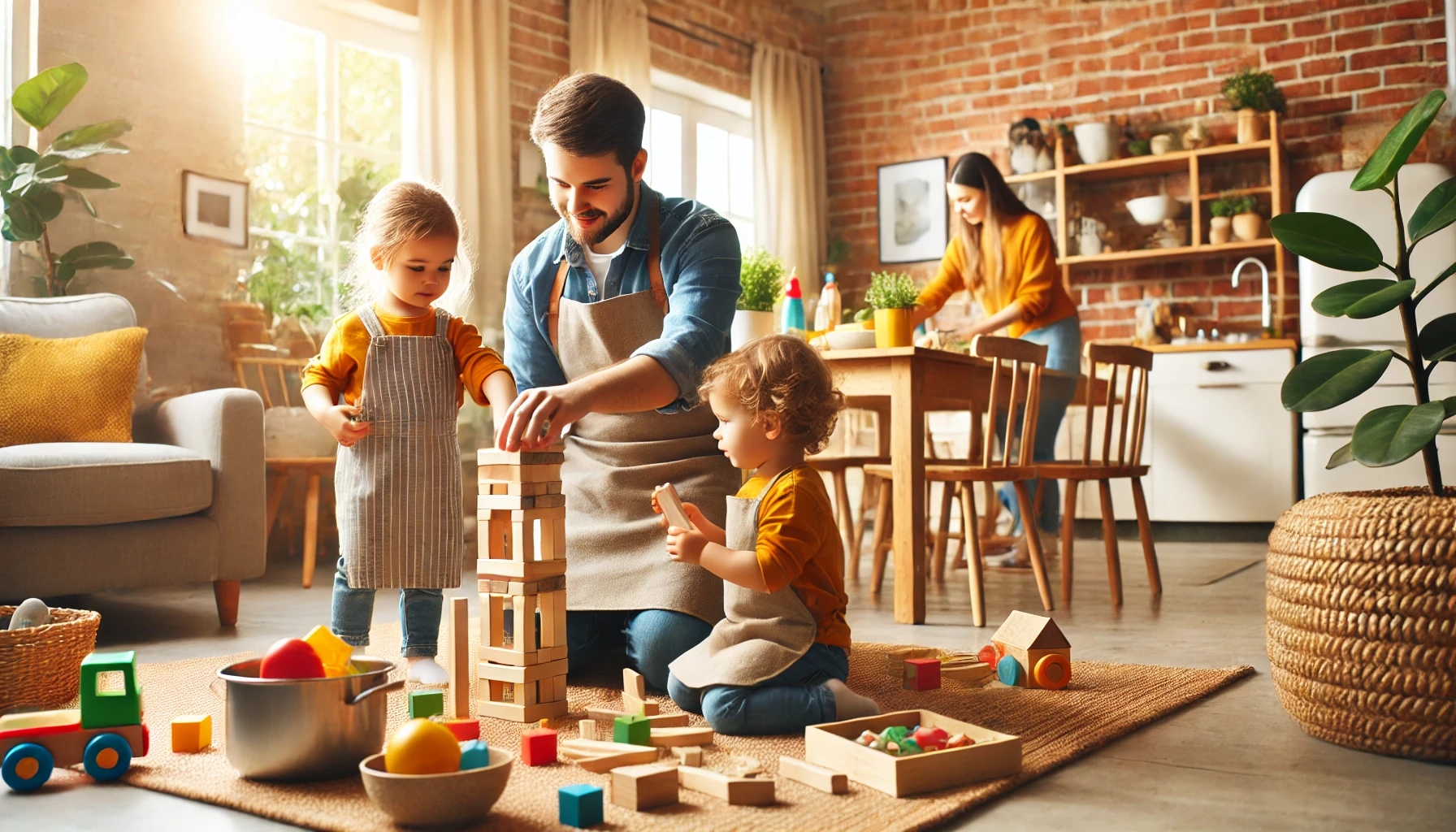
How to Teach Young Children About Teamwork at Home
Teamwork is an essential skill that helps children develop cooperation, communication, and problem-solving abilities. Learning to work with others prepares children for school, friendships, and future careers. Parents can encourage teamwork at home through group activities, role-modeling, and positive reinforcement. In this article, we’ll explore fun and practical ways to teach young children about teamwork.
Why Teaching Teamwork is Important
- Encourages cooperation – Helps children learn to share responsibilities.
- Develops problem-solving skills – Teaches kids how to work together to find solutions.
- Strengthens relationships – Builds communication and trust between peers and family members.
- Prepares for school and group activities – Helps children adjust to collaborative learning.
- Fosters leadership and adaptability – Encourages kids to take initiative while working with others.
1. Model Teamwork in Everyday Life
Children learn teamwork by watching how adults collaborate with others.
Activity Idea:
- Work together as a family to cook a meal, clean up, or set the table.
- Show cooperation by saying, “Let’s work as a team to finish this faster!”
- Demonstrate how to listen, compromise, and encourage others.
What Kids Learn:
- The value of working together
- How to support and help others
- The importance of shared responsibility
2. Play Cooperative Games
Games that require teamwork help children practice working together.
Activity Idea:
- Play puzzle-building games where each person contributes.
- Try relay races or group obstacle courses in the backyard.
- Use team board games like “Memory Match” or “Snakes and Ladders.”
What Kids Learn:
- How to communicate and take turns
- The benefits of sharing tasks
- That success comes from teamwork, not just individual effort
3. Assign Small Group Tasks at Home
Giving children responsibilities that require teamwork reinforces collaboration.
Activity Idea:
- Have siblings clean up a play area together by dividing tasks.
- Assign a “helper of the day” to assist with setting the table or organizing toys.
- Encourage working in pairs to feed a pet, fold laundry, or water plants.
What Kids Learn:
- The importance of contribution to a shared goal
- How to divide tasks fairly
- How teamwork makes chores more enjoyable
4. Read Stories About Teamwork
Books help children understand teamwork through relatable characters.
Activity Idea:
- Read books like The Little Red Hen (cooperation) or Swimmy (working together).
- Pause and ask, “How did the characters help each other?”
- Discuss ways they can apply teamwork in their own lives.
What Kids Learn:
- The value of helping others
- Different ways to collaborate
- How working together achieves more than working alone
5. Encourage Turn-Taking and Sharing
Taking turns and sharing helps children develop patience and fairness.
Activity Idea:
- Play turn-taking games like “I Spy” or building a LEGO tower together.
- Practice sharing by letting children take turns choosing a bedtime story.
- Reinforce sharing with praise: “That was great teamwork when you let your friend use your toy!”
What Kids Learn:
- Patience and fairness in group settings
- The importance of compromise
- That teamwork requires respecting others’ needs
6. Teach Conflict Resolution Through Teamwork
Helping children solve disagreements together builds stronger teamwork skills.
Activity Idea:
- Role-play situations like two kids wanting the same toy and discuss solutions.
- Teach phrases like “Let’s work together to figure this out” or “How can we both be happy?”
- Encourage “team huddles” where children brainstorm ways to fix a problem together.
What Kids Learn:
- How to handle conflicts calmly
- The importance of listening to others’ perspectives
- Problem-solving in teamwork situations
7. Celebrate Teamwork and Effort
Recognizing children’s teamwork efforts reinforces the behavior.
Activity Idea:
- Create a “Teamwork Chart” where kids earn stickers for working well with others.
- Say, “I love how you worked together to clean up—it made it so much faster!”
- Reward teamwork with extra playtime, a fun outing, or a family activity.
What Kids Learn:
- That teamwork is valuable and rewarding
- The joy of working toward a common goal
- How positive reinforcement builds good habits
8. Encourage Leadership and Role Switching
Giving children different roles in team activities helps them understand various responsibilities.
Activity Idea:
- Let children take turns being the “leader” in games or group tasks.
- Encourage them to assign roles during group activities (e.g., “You be the builder, and I’ll be the designer”).
- Teach them that good leaders listen and support their team members.
What Kids Learn:
- The balance between leading and following
- How to adapt to different teamwork roles
- The importance of collaboration over competition
Final Thoughts
Teaching young children about teamwork helps them develop cooperation, problem-solving, and social skills. By modeling teamwork, engaging in cooperative activities, and reinforcing positive behaviors, parents can help children build strong foundations for working well with others in all aspects of life.