
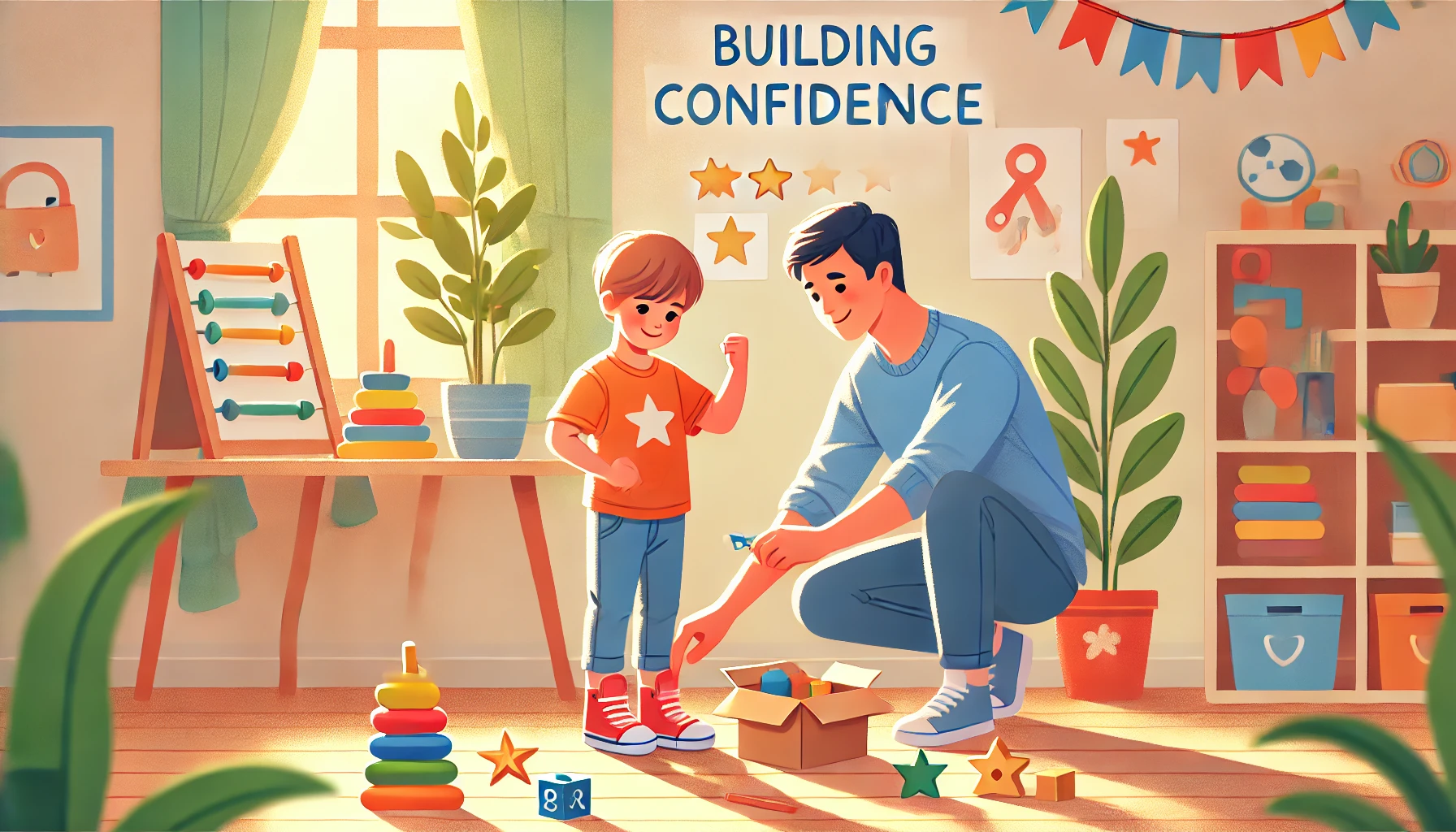
How to Build Confidence and Self-Esteem in Young Children at Home
Confidence and self-esteem are essential for a child’s emotional well-being and success in life. When children believe in their abilities, they are more willing to try new things, handle challenges, and develop independence. Parents play a key role in nurturing confidence by offering encouragement, creating positive experiences, and allowing children to learn through trial and error. In this article, we’ll explore practical ways to help young children build self-esteem at home.
Why Confidence and Self-Esteem Matter
- Encourages independence – Children feel capable of handling tasks on their own.
- Improves resilience – Helps kids recover from setbacks and keep trying.
- Enhances social skills – Encourages positive interactions with others.
- Boosts motivation to learn – Children become eager to explore new skills and challenges.
- Develops a strong sense of self-worth – Helps kids recognize their strengths and value.
1. Praise Effort, Not Just Results
Focusing on effort rather than achievements helps children build confidence in their abilities.
Activity Idea:
- Instead of saying, “You’re so smart,” try, “I love how hard you worked on that puzzle!”
- Acknowledge persistence: “You didn’t give up, and look how much you improved!”
- Encourage kids to keep trying when something is difficult instead of giving up.
What Kids Learn:
- The importance of perseverance
- That effort leads to improvement
- Self-motivation to overcome challenges
2. Encourage Decision-Making and Independence
Allowing children to make choices helps them develop confidence in their judgment.
Activity Idea:
- Let them choose between two outfits or snacks.
- Encourage them to plan simple tasks, like setting the table.
- Give them small responsibilities, such as watering plants or feeding pets.
What Kids Learn:
- Decision-making skills
- Trust in their own abilities
- A sense of responsibility
3. Provide Opportunities for Mastery and Skill-Building
Developing new skills boosts confidence and self-esteem.
Activity Idea:
- Teach a new skill, such as tying shoes or riding a bike.
- Encourage hobbies like drawing, playing music, or simple cooking.
- Celebrate small milestones to show progress over time.
What Kids Learn:
- That practice leads to improvement
- How to take pride in accomplishments
- The joy of learning new skills
4. Allow Safe Mistakes and Learning from Failure
Mistakes are part of growth and should be seen as learning experiences.
Activity Idea:
- If a child spills something, guide them in cleaning it up rather than getting upset.
- When they struggle with a task, ask, “What can we try differently next time?”
- Share stories of times when you made a mistake and learned from it.
What Kids Learn:
- Resilience and adaptability
- That failure is a stepping stone to success
- Problem-solving skills
5. Encourage Positive Self-Talk
The way children talk to themselves affects their self-esteem.
Activity Idea:
- Teach affirmations like, “I am strong,” “I can do this,” or “I am a good friend.”
- Gently correct negative self-talk: If they say, “I can’t do this,” respond with, “You can’t do it yet, but you’re learning!”
- Model self-kindness by speaking positively about yourself.
What Kids Learn:
- Confidence in their abilities
- How to stay motivated during challenges
- The power of a positive mindset
6. Provide a Supportive and Encouraging Environment
A nurturing home helps children feel secure and valued.
Activity Idea:
- Spend one-on-one time with each child to strengthen their sense of worth.
- Show appreciation by saying, “I love how kind you are to your friends.”
- Be a safe space where they feel comfortable expressing their emotions.
What Kids Learn:
- That they are loved and valued
- The importance of supportive relationships
- Emotional security and trust
7. Foster Social Confidence Through Interaction
Building relationships helps children feel comfortable in social situations.
Activity Idea:
- Encourage them to greet family members and friends politely.
- Role-play social scenarios like introducing themselves or asking for help.
- Praise them for showing kindness and including others in play.
What Kids Learn:
- Social confidence
- The importance of respectful interactions
- How to engage in group activities with ease
8. Celebrate Achievements, Big and Small
Recognizing progress helps children build self-worth.
Activity Idea:
- Keep a “Success Jar” where kids can add notes about things they’re proud of.
- Celebrate milestones, like learning a new word or completing a project.
- Encourage self-reflection by asking, “What are you proud of today?”
What Kids Learn:
- Self-awareness of their strengths
- Motivation to set and reach goals
- Pride in personal accomplishments
Final Thoughts
Helping young children build confidence and self-esteem is about providing encouragement, allowing independence, and fostering resilience. By creating a supportive home environment, celebrating effort, and teaching positive self-talk, parents can help children grow into confident, self-assured individuals.